You may have heard phrases like the shrinking middle class, managed decline, third-worldification of the first world, or underdevelopment of the core of the world system.
What do these mean, really? The period 1945–1970 was a historically unprecedented era of expanding prosperity in the industrialized world. Since roughly 1970, the basic costs of a stable life have outpaced what work pays — while the returns to owning assets have compounded. Work earns less; ownership earns more.
The result is a crisis of affordability — not a temporary squeeze but a decades-long structural shift in who benefits from economic growth. The charts below document some of those trends, pointing toward what might be called The Great Regression (1970-present).
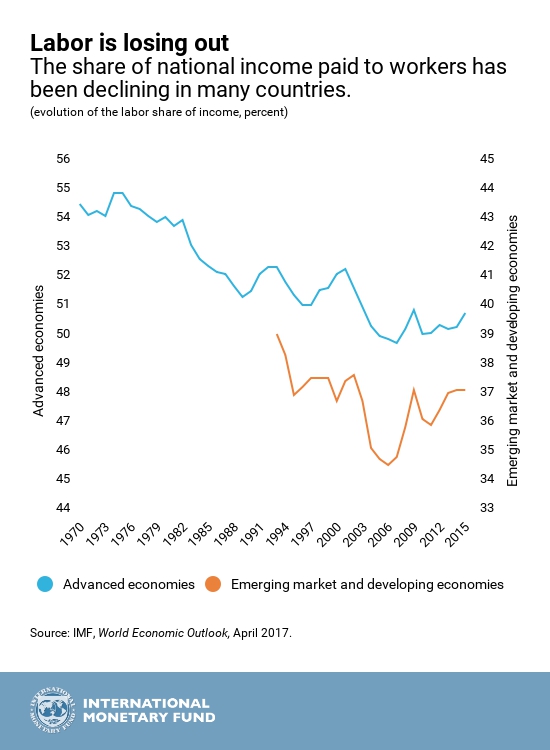
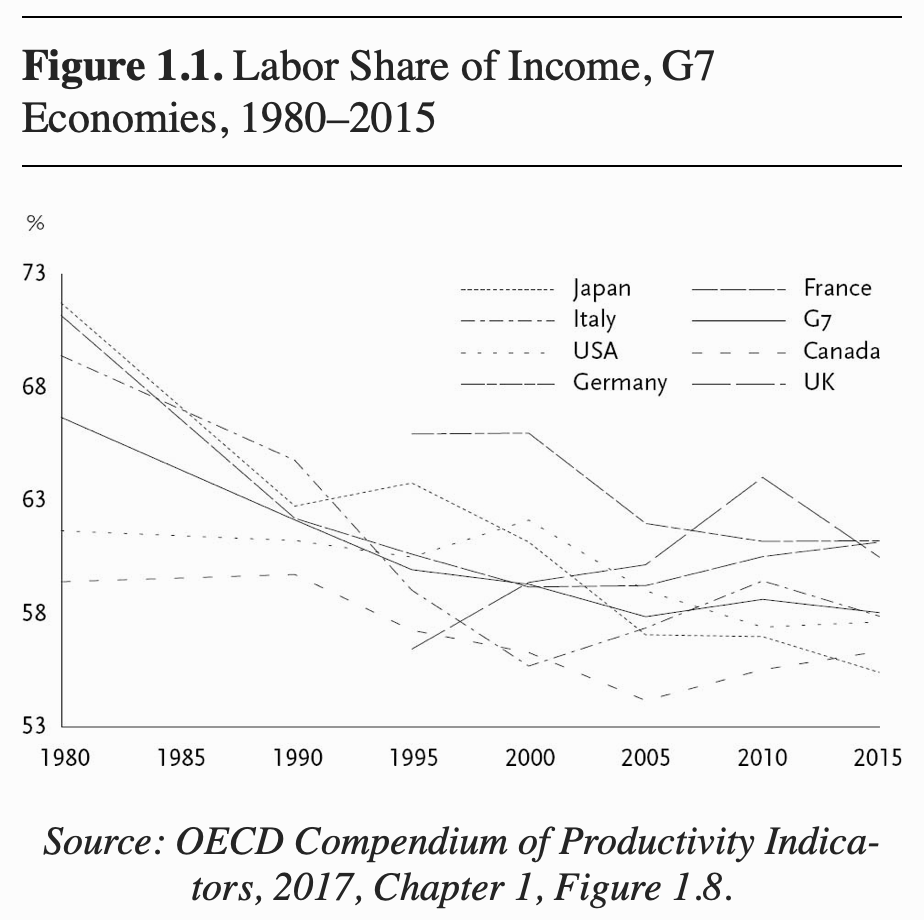
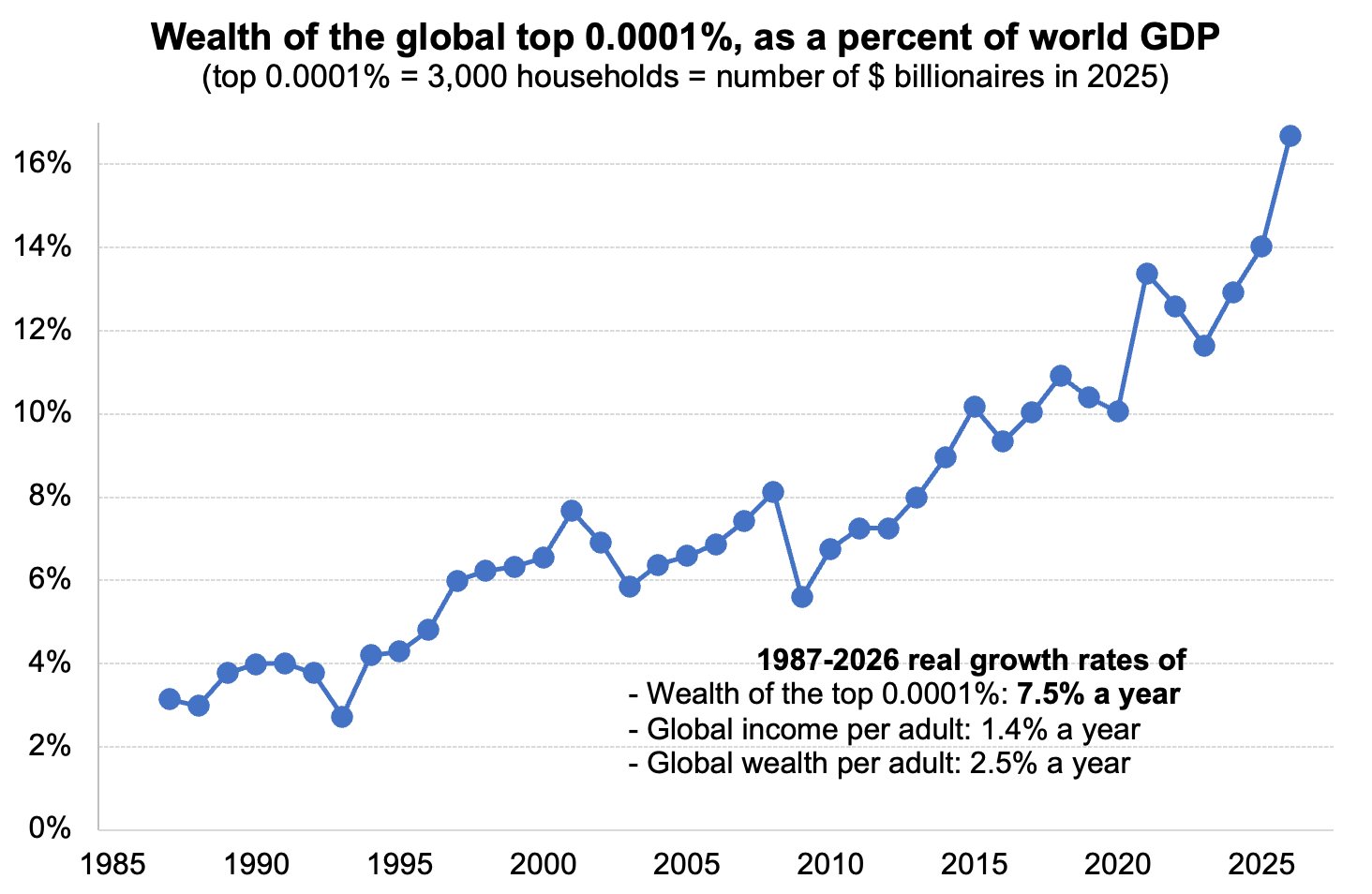
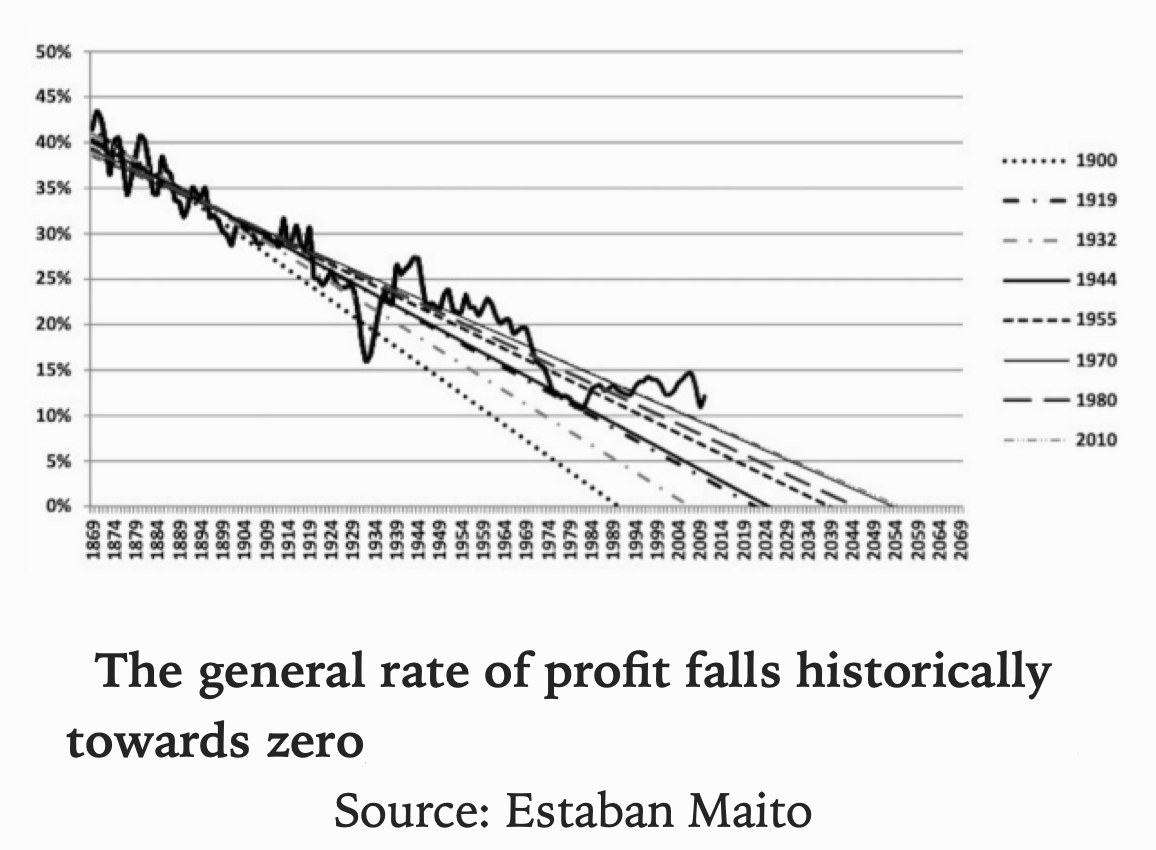
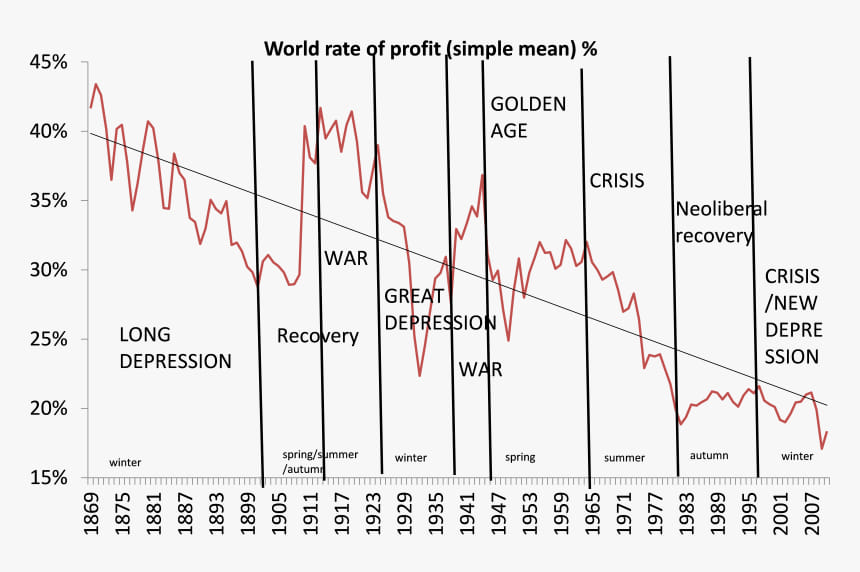
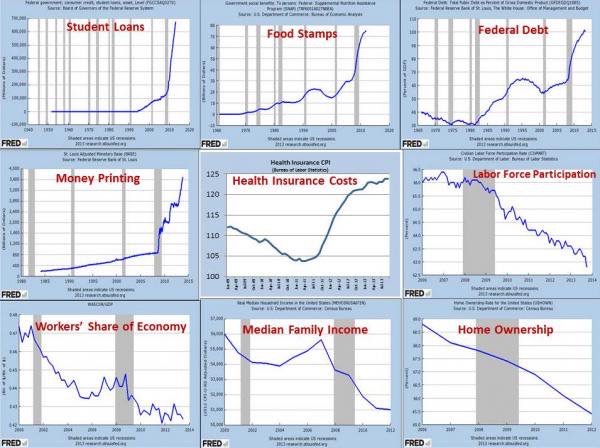

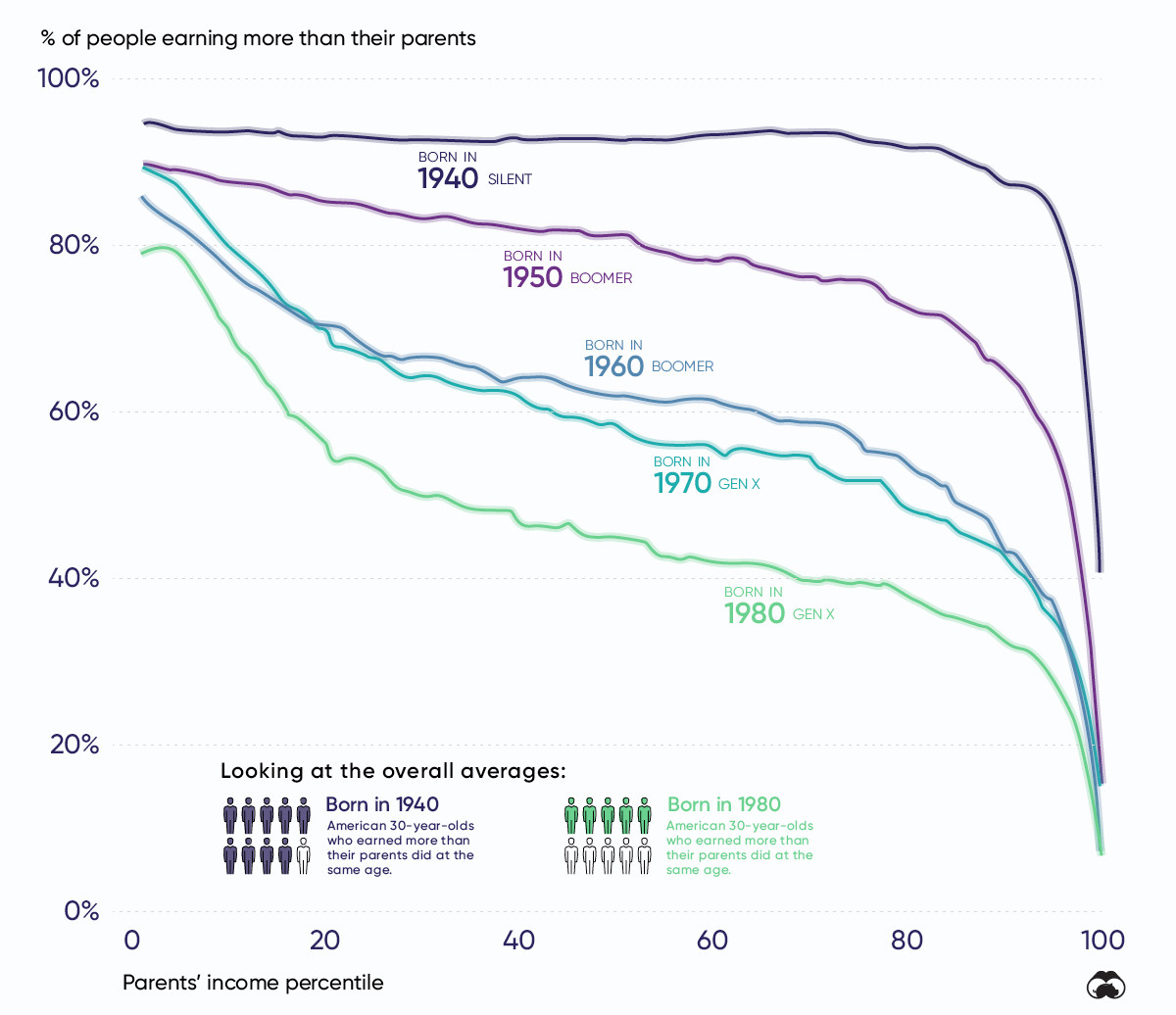
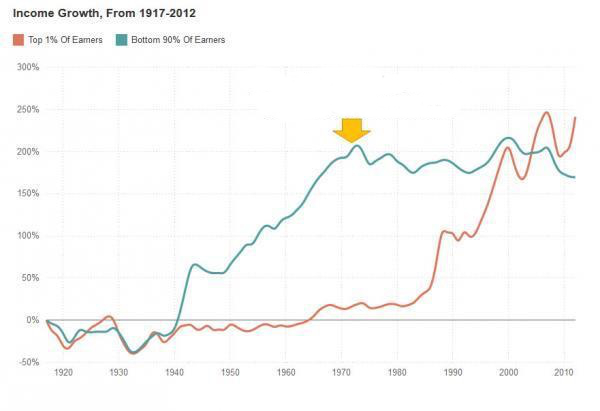
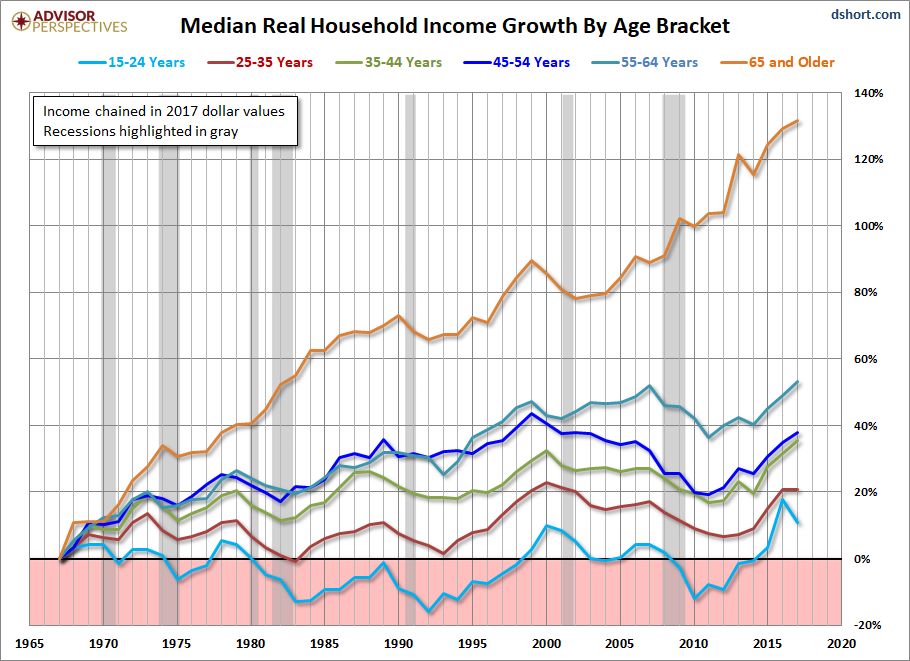
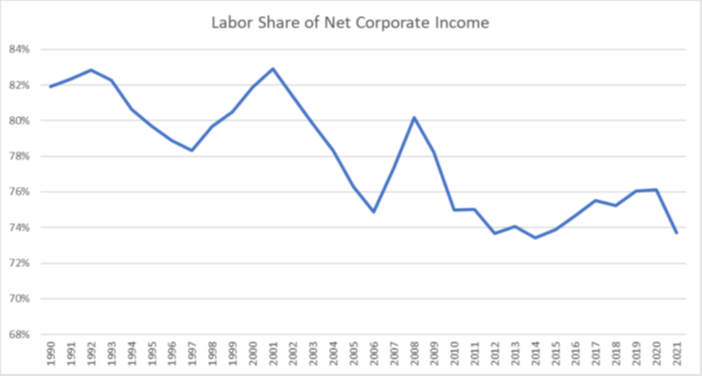
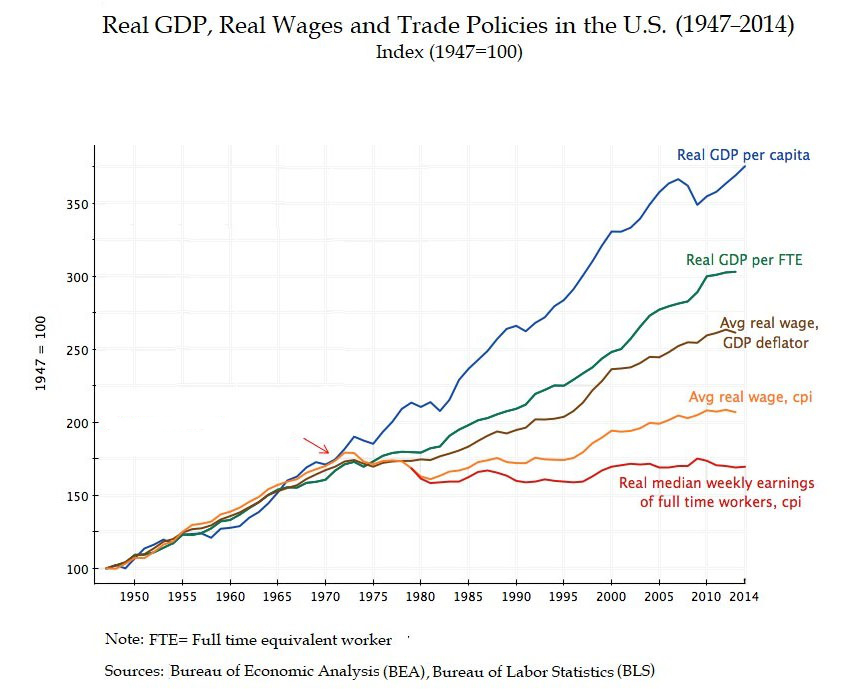
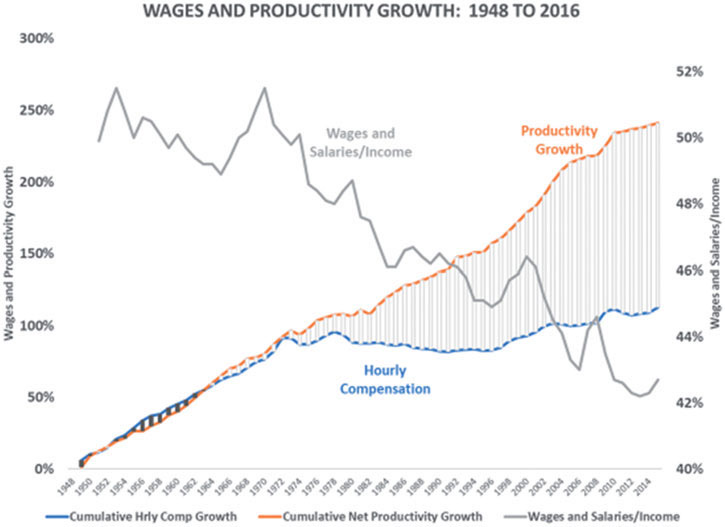
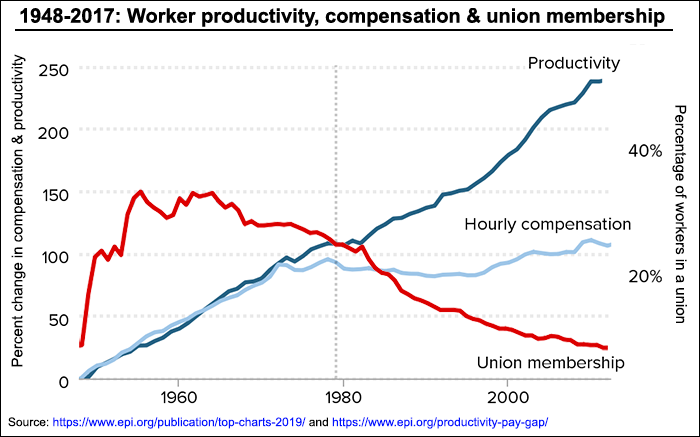
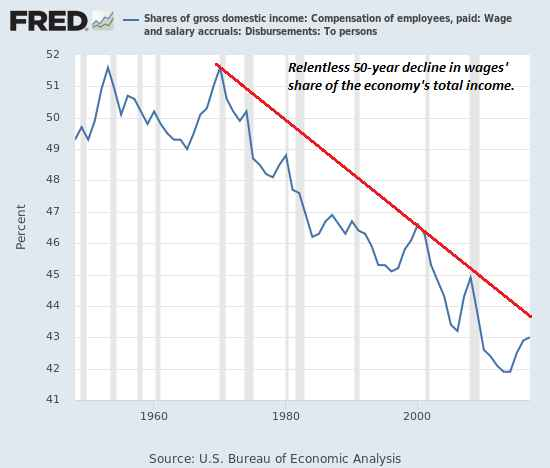
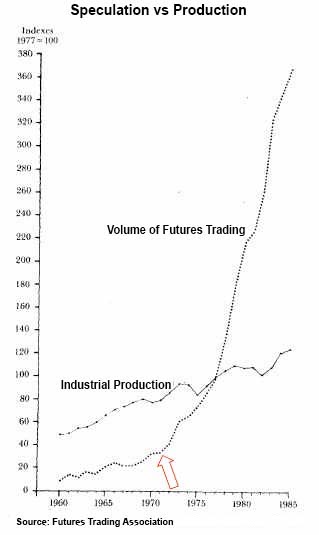
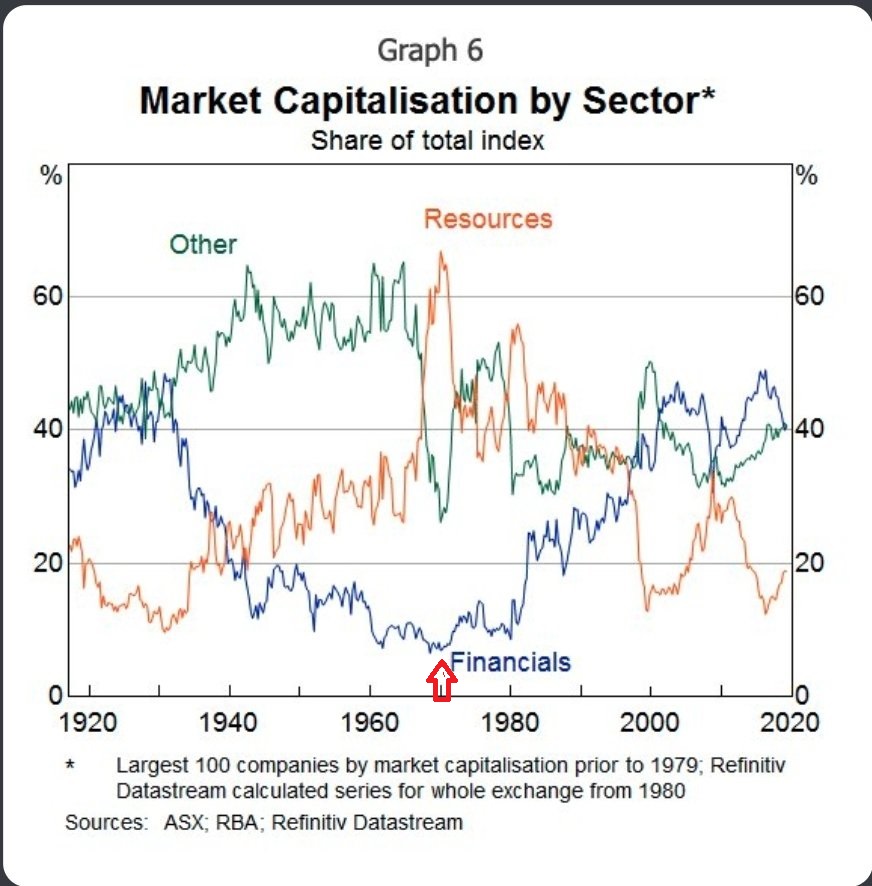
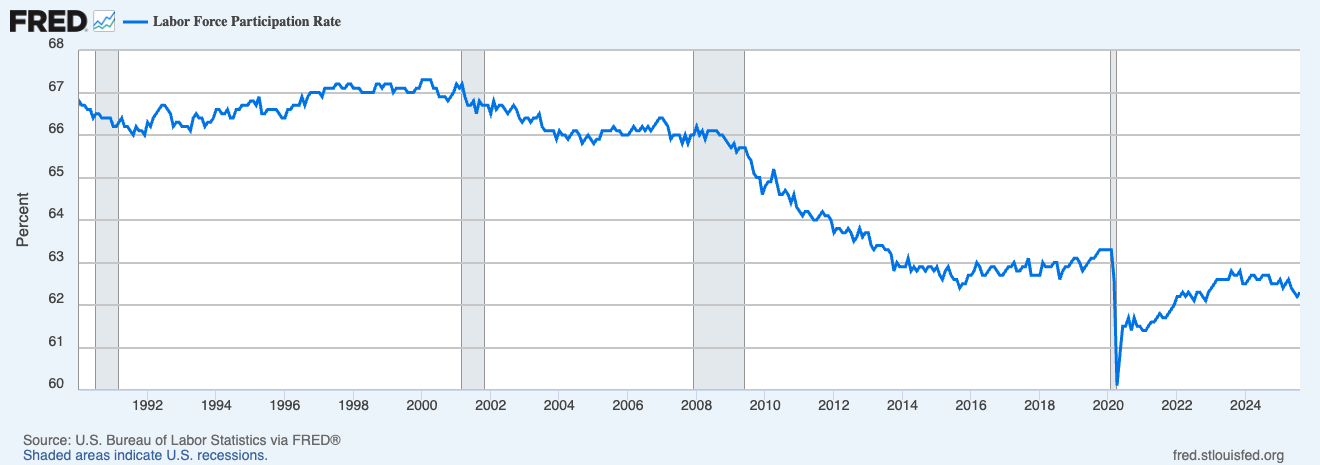
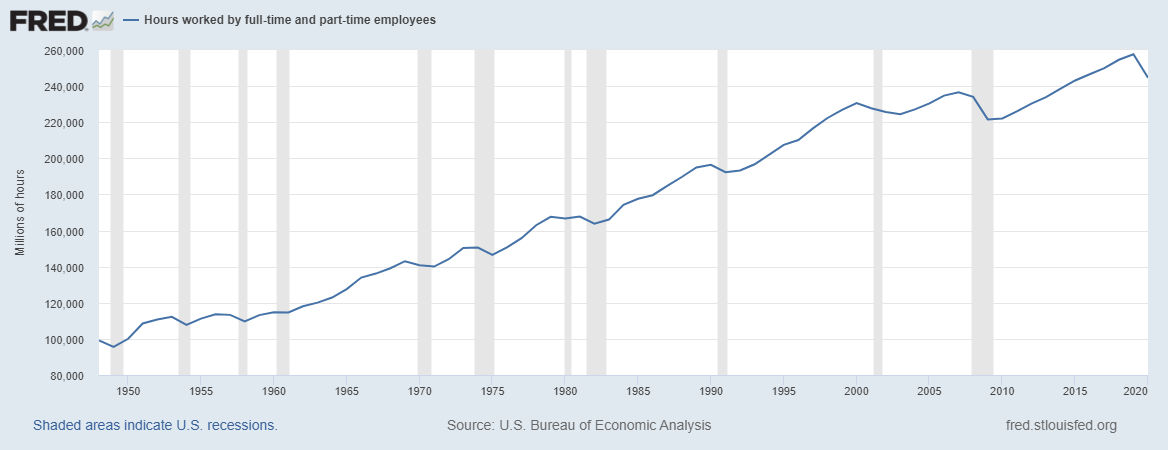
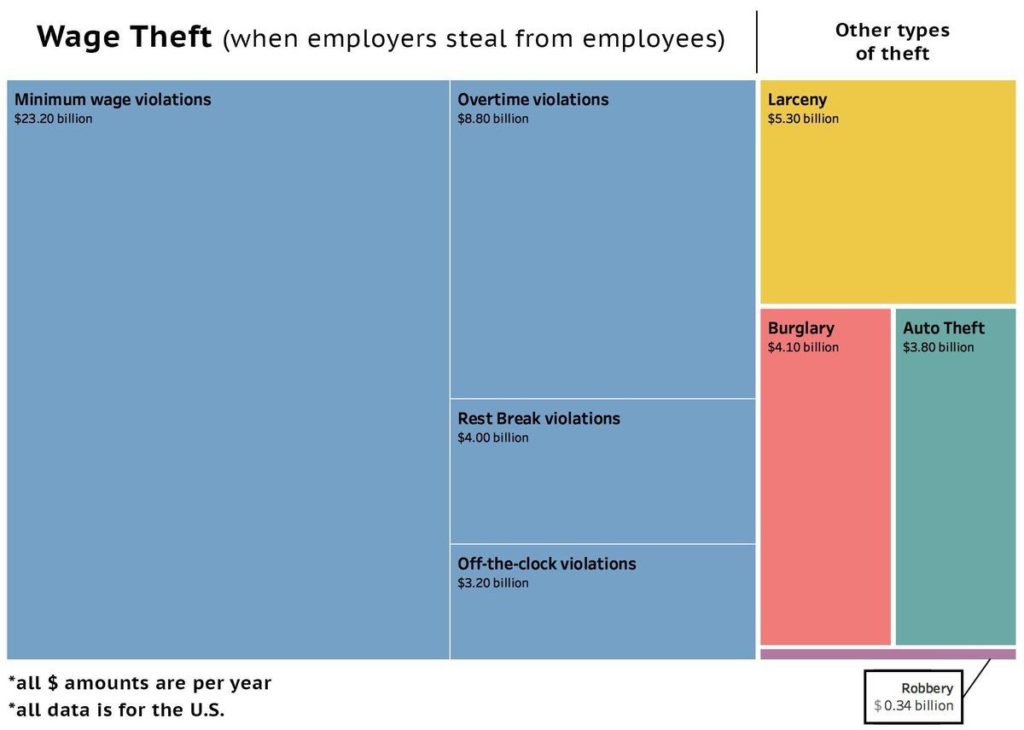
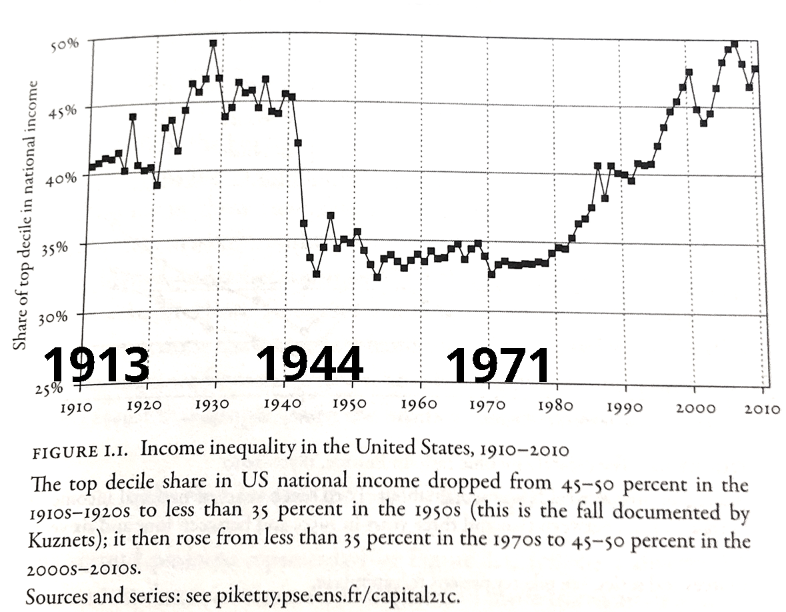
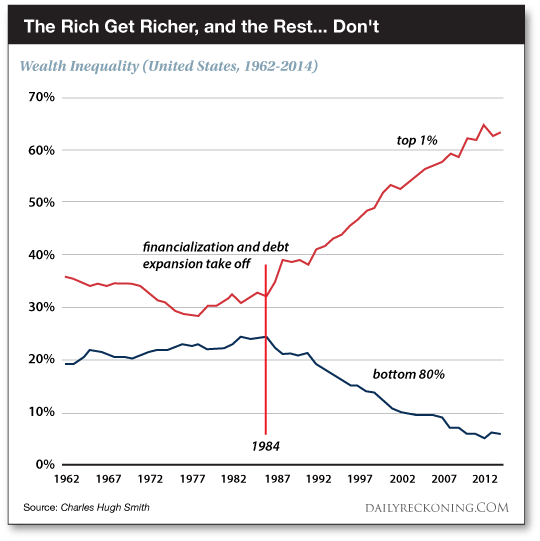
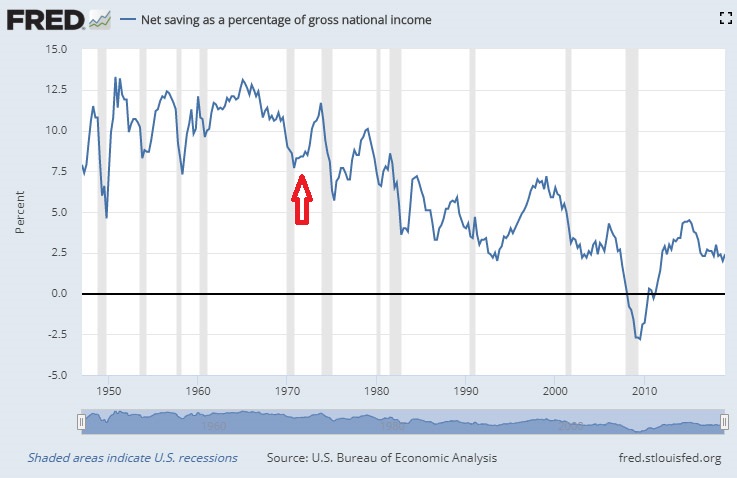
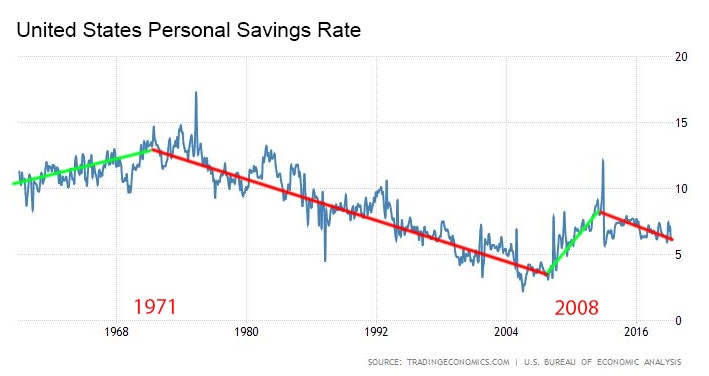
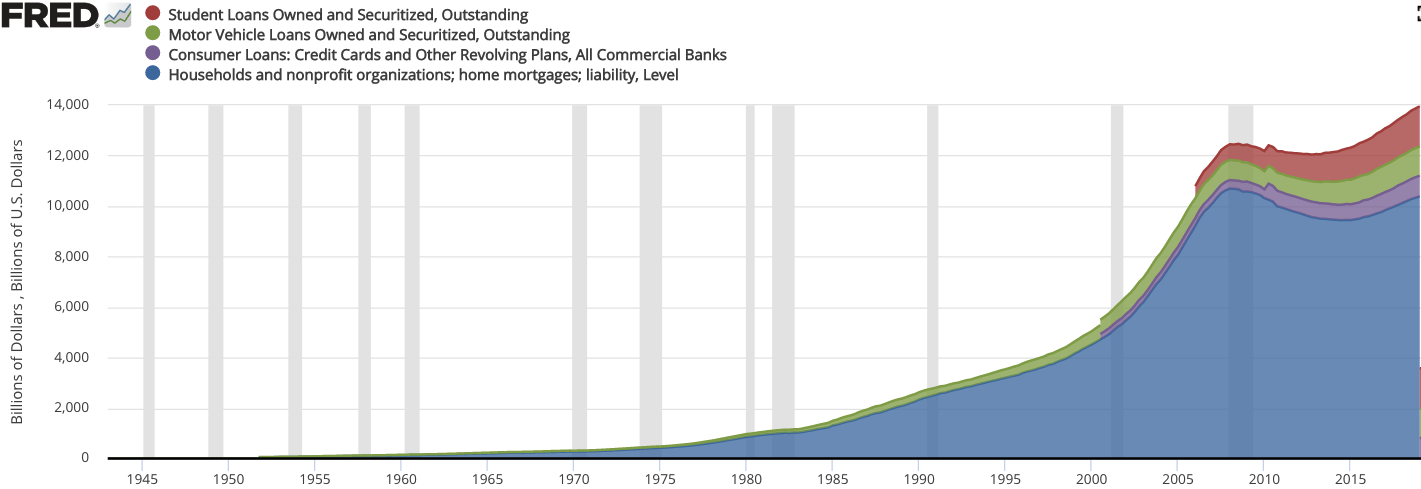
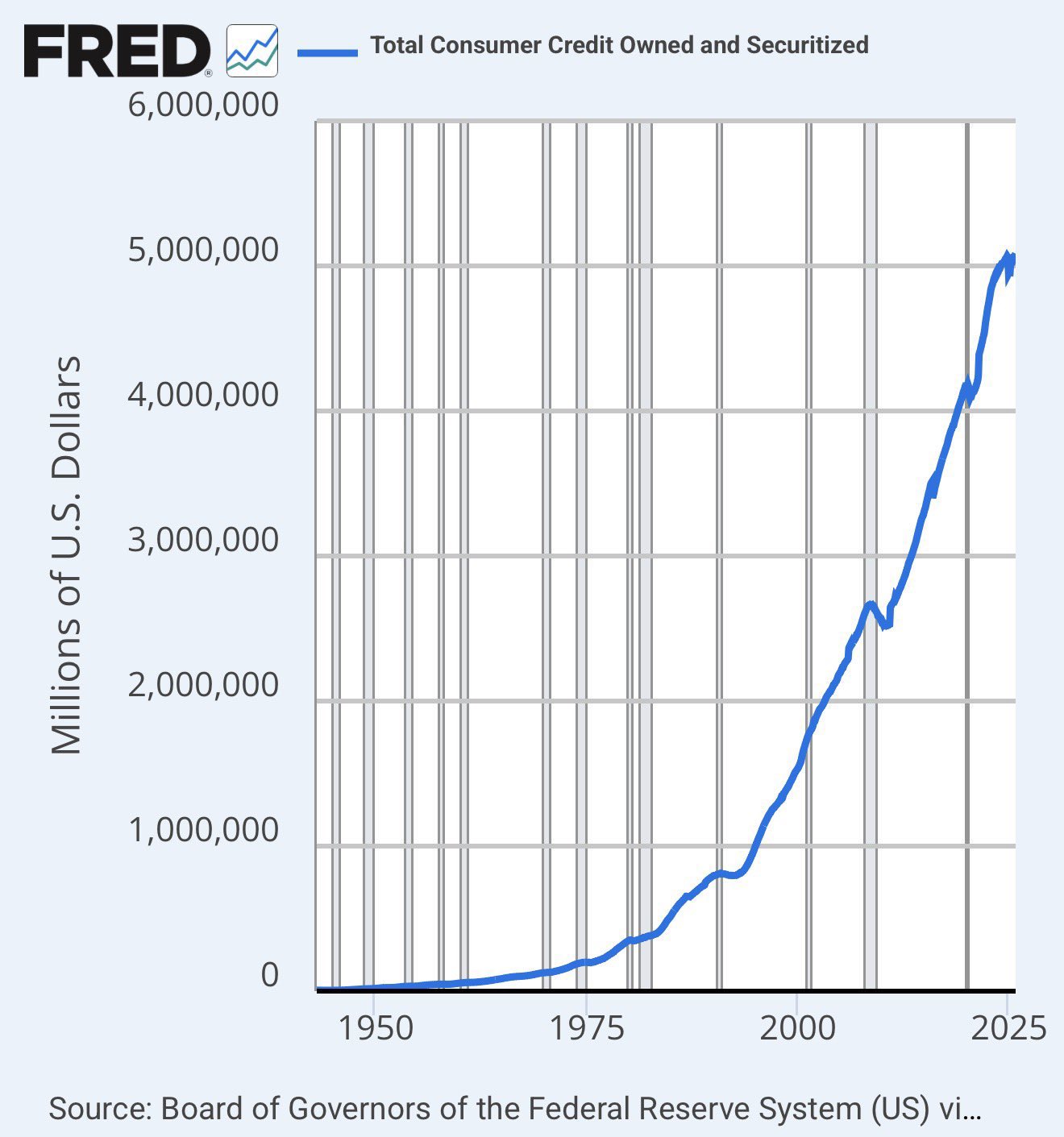
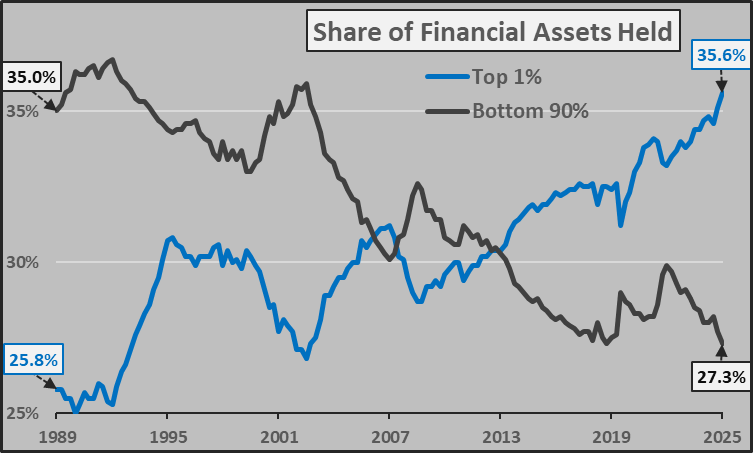
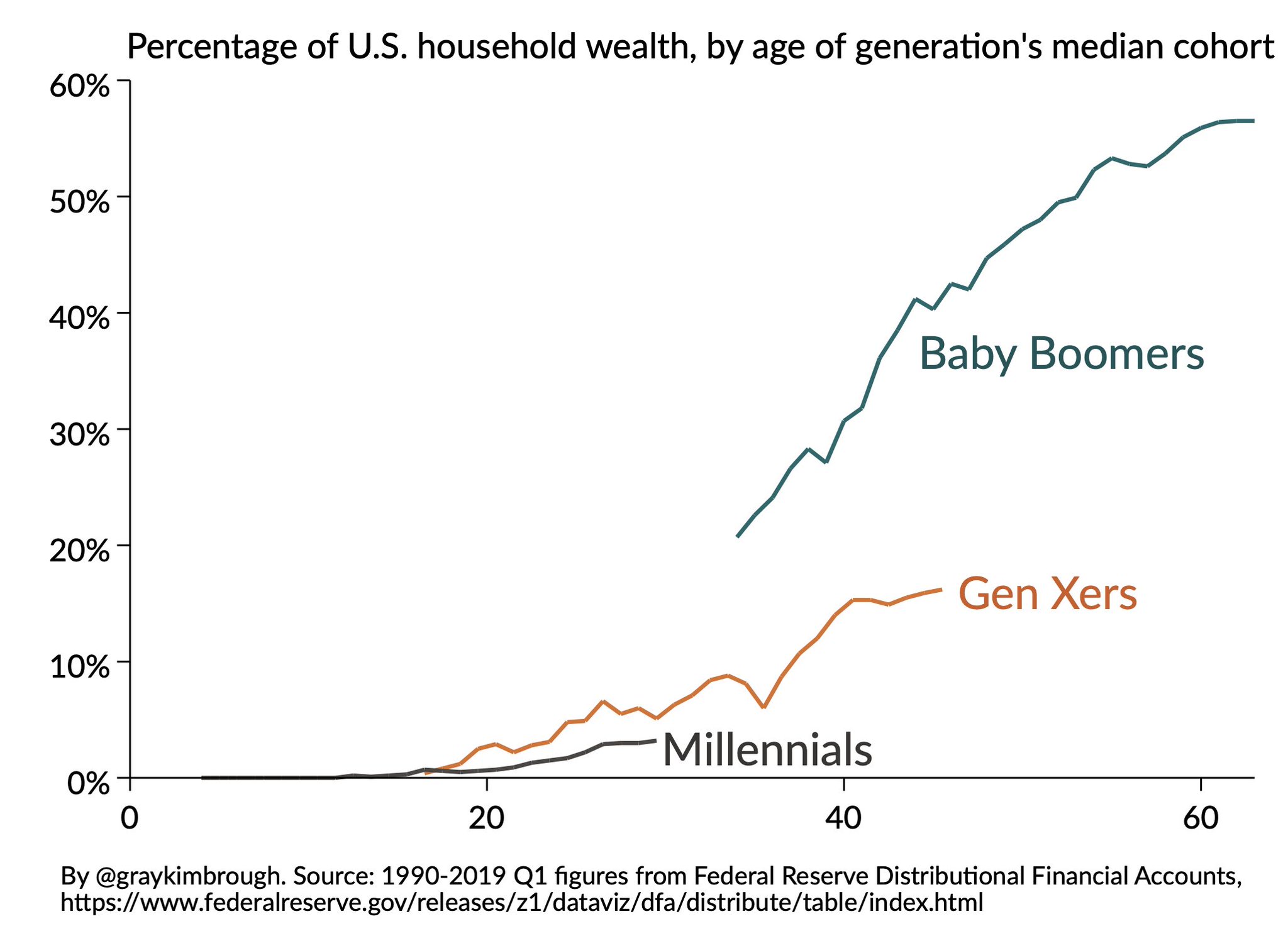
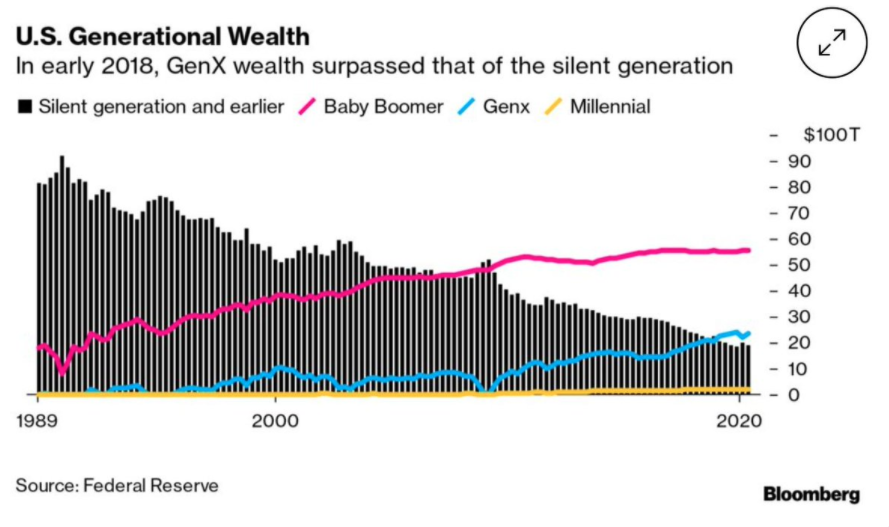
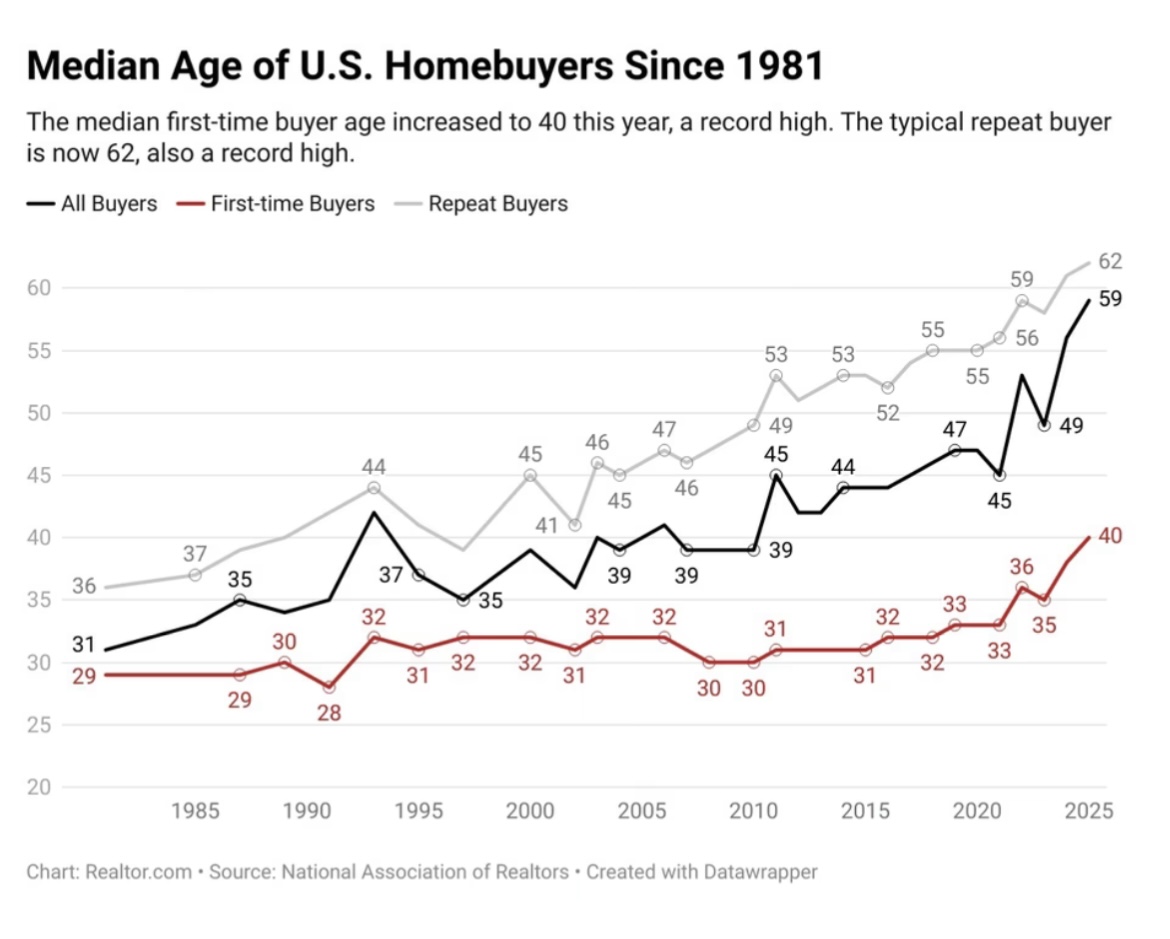
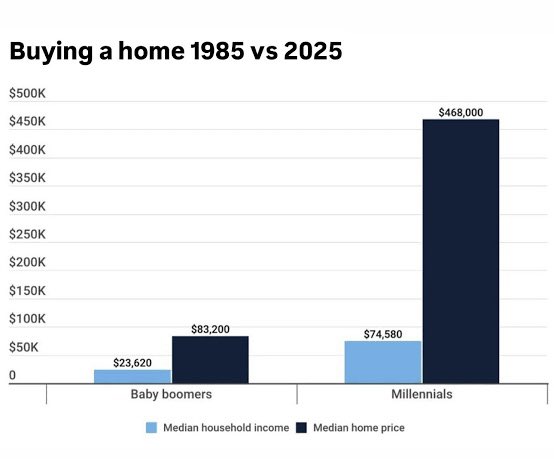
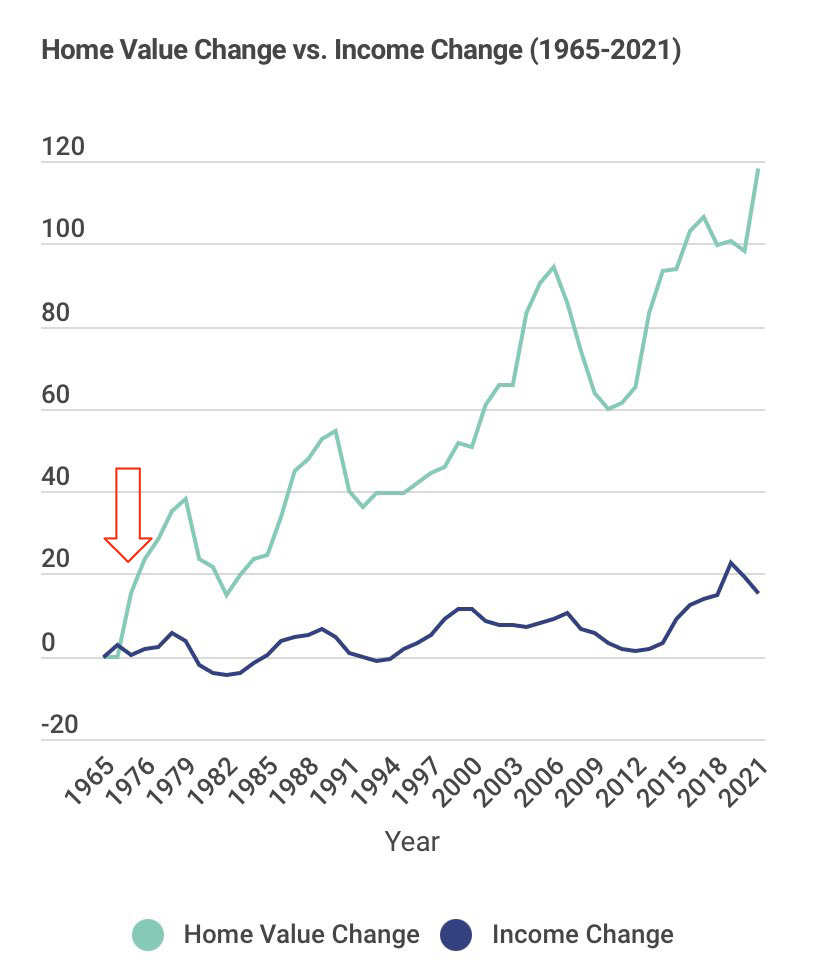
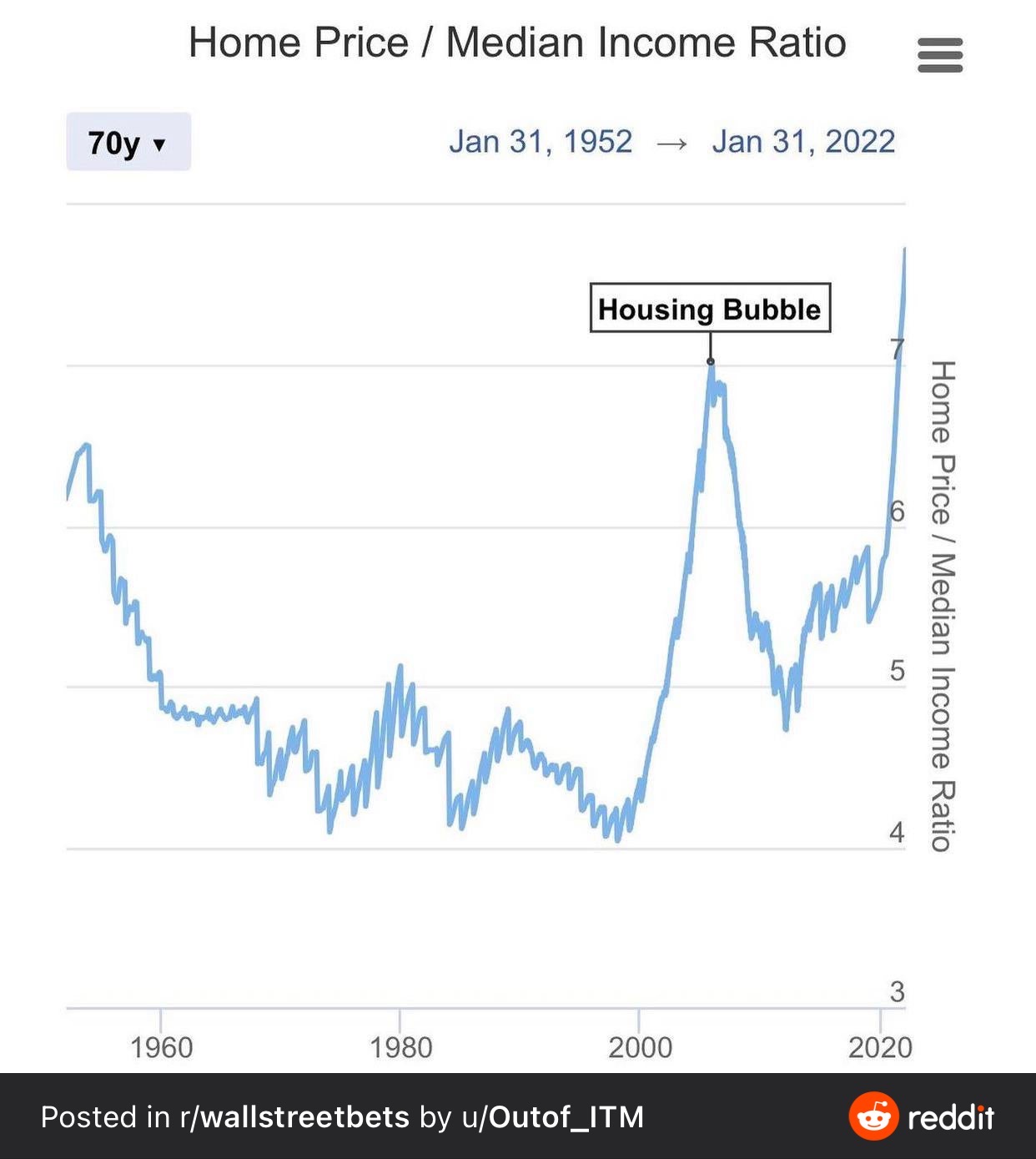
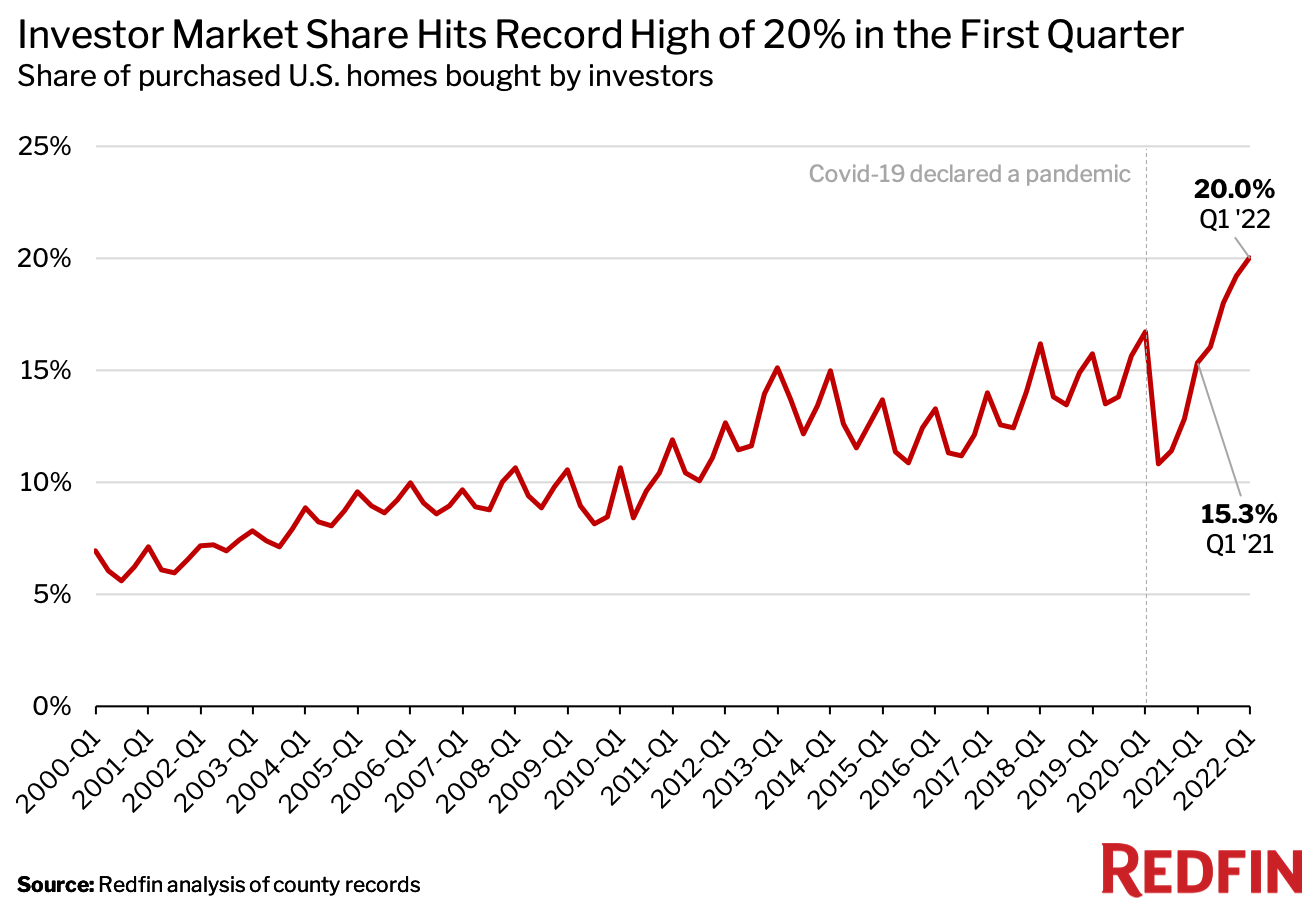
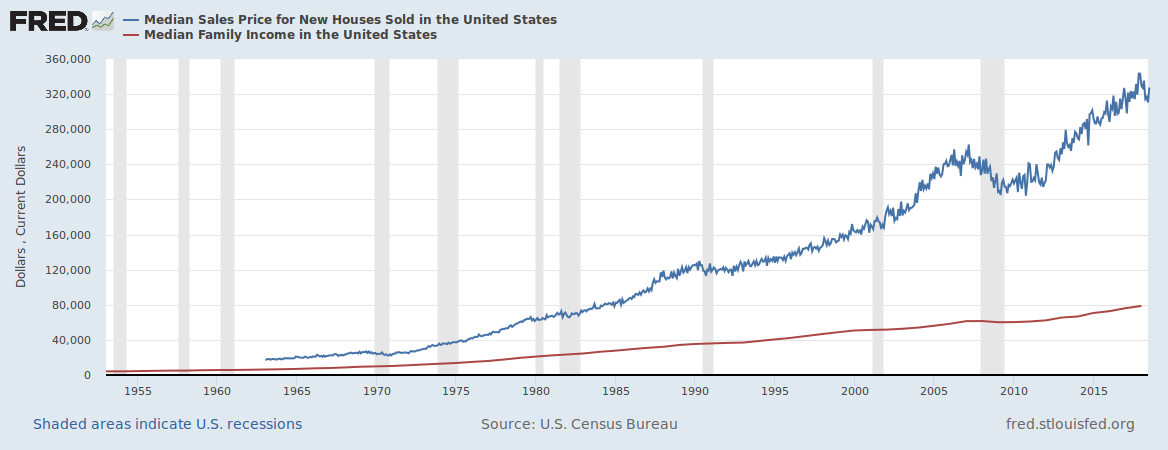
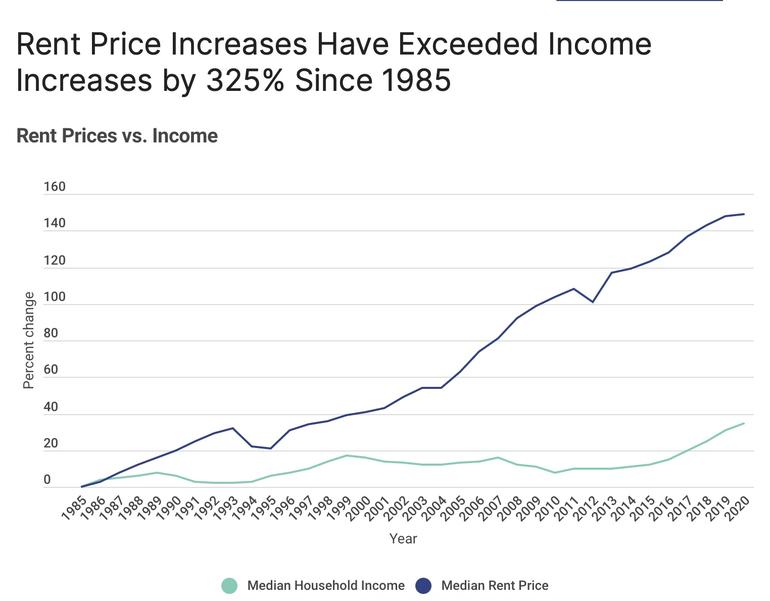
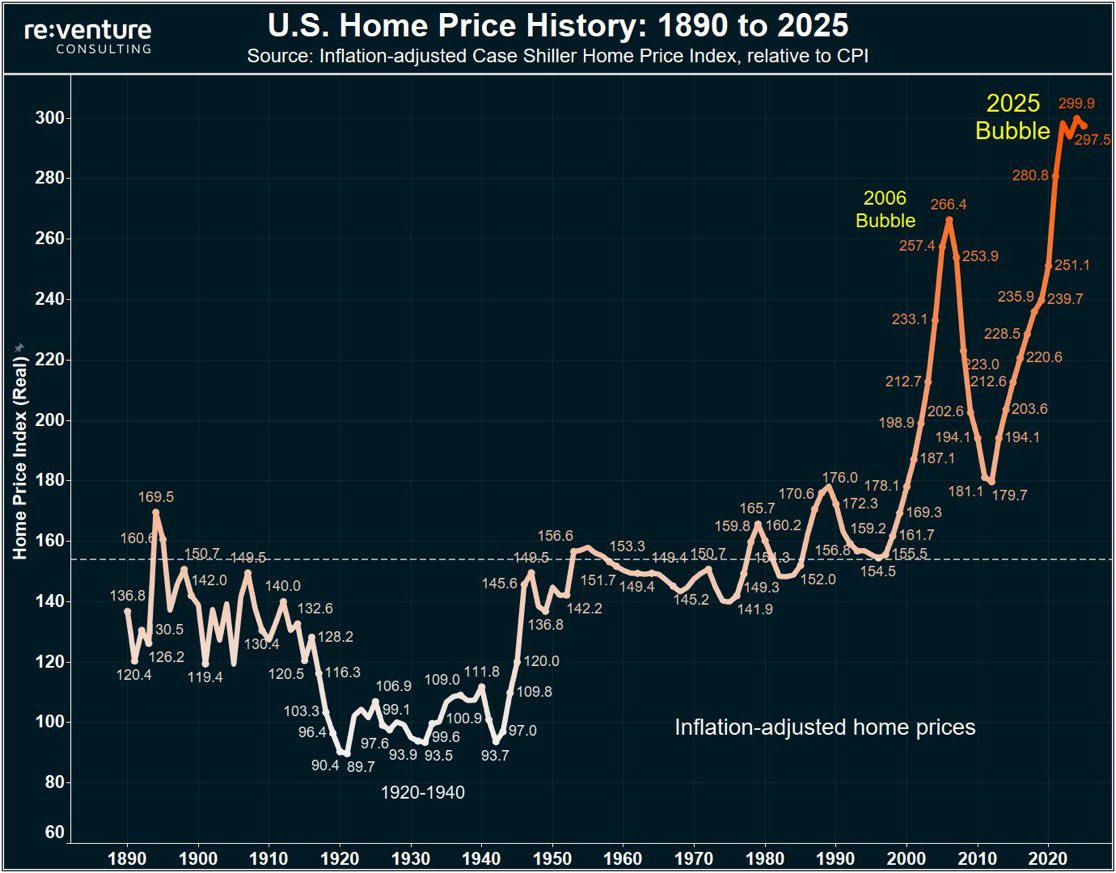
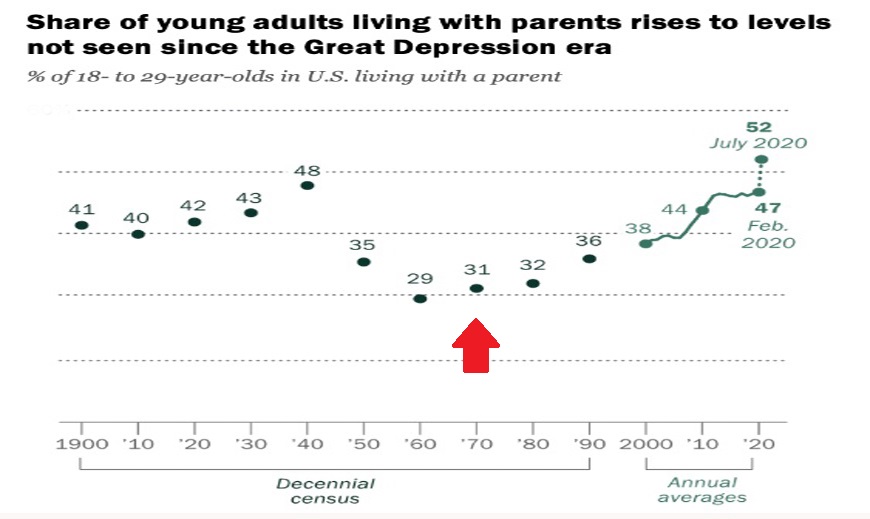
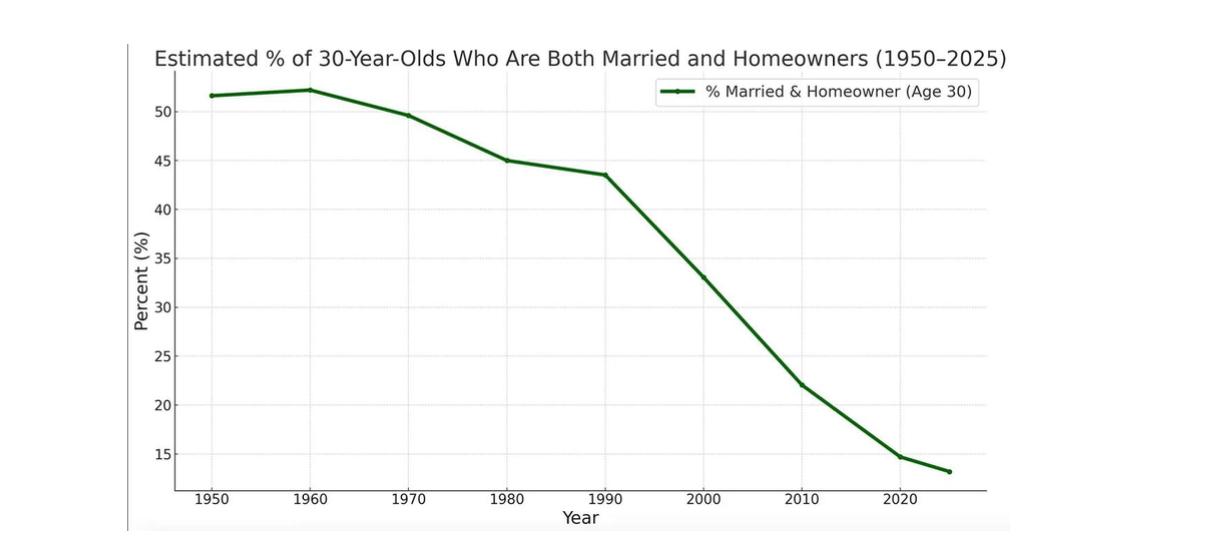
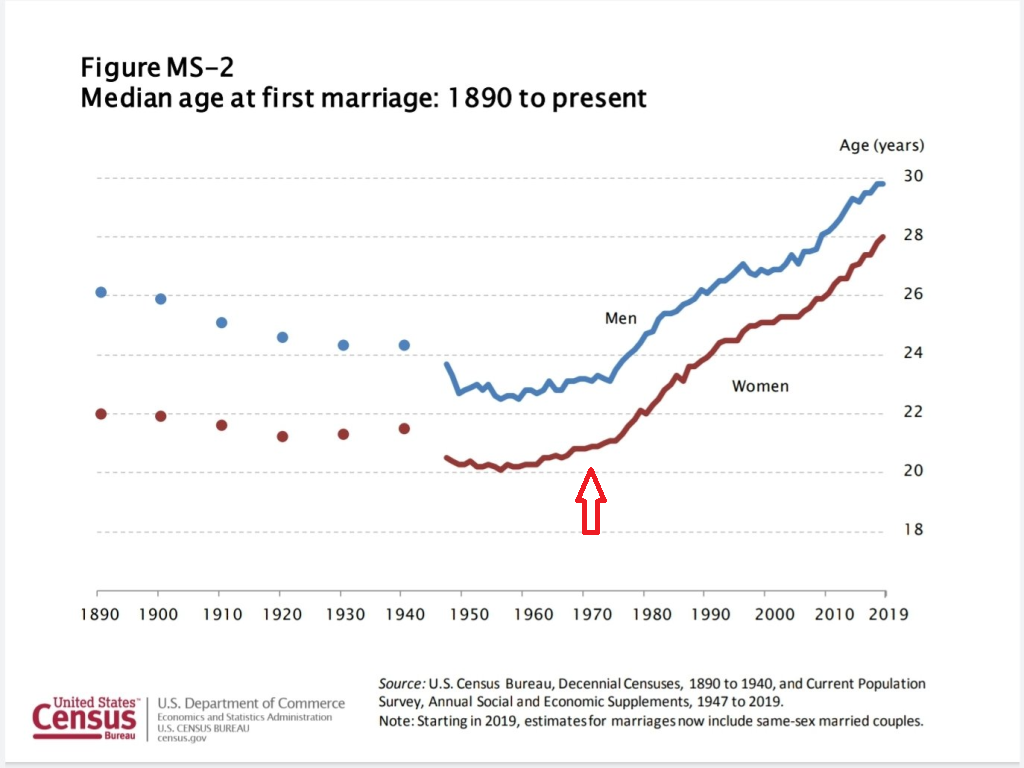
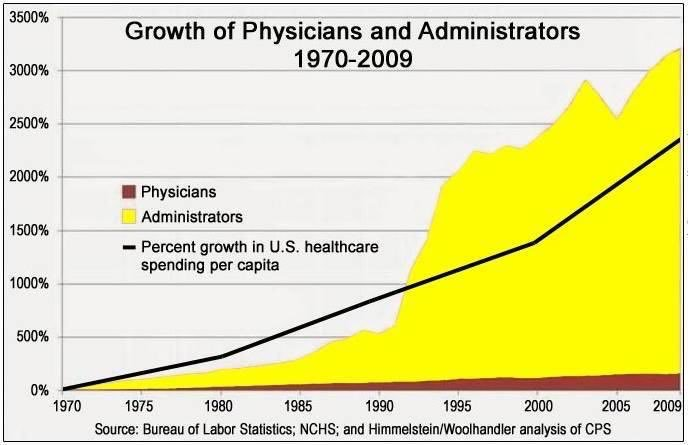
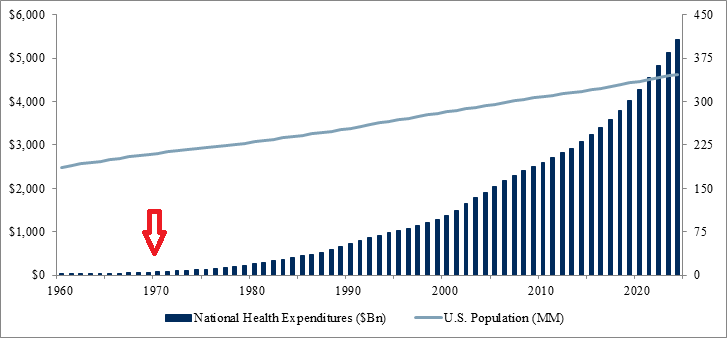
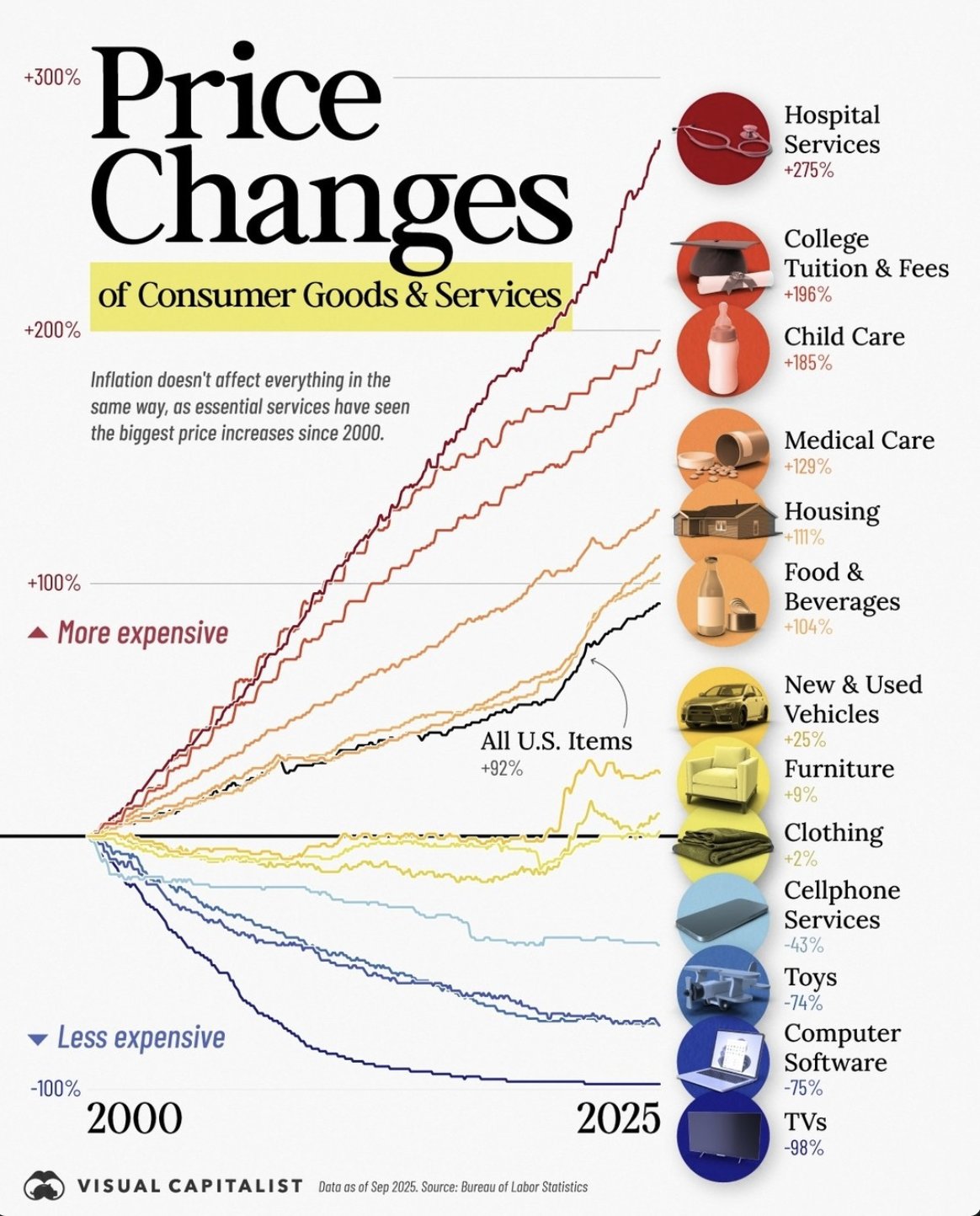
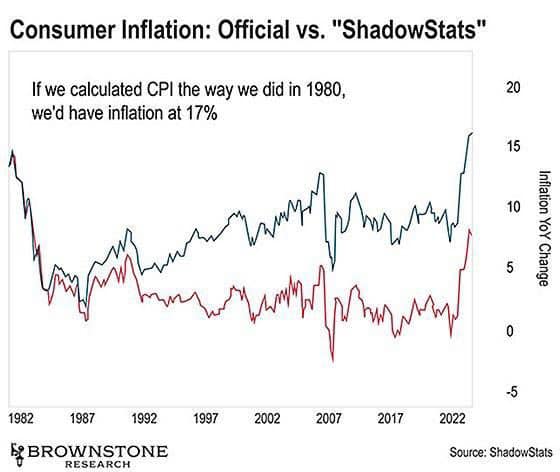
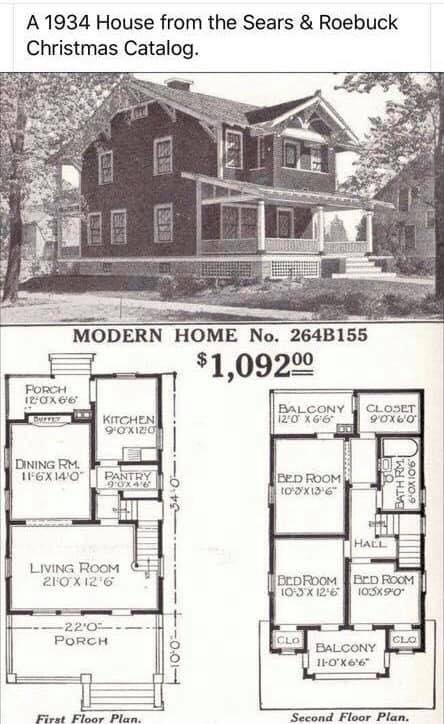
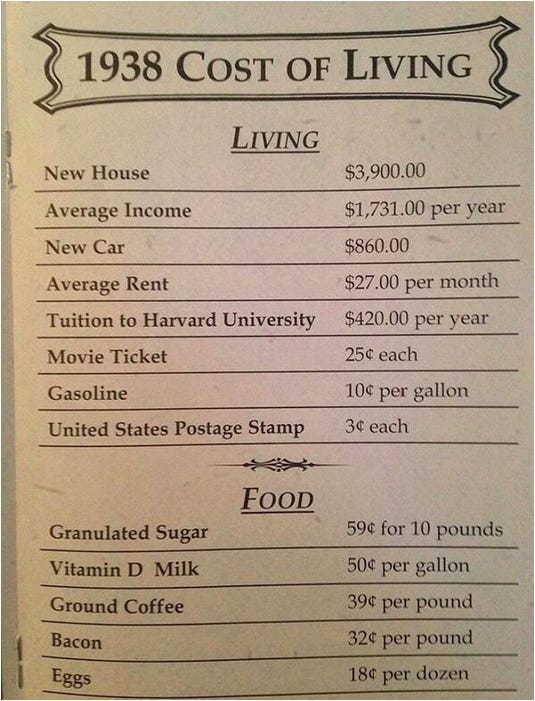
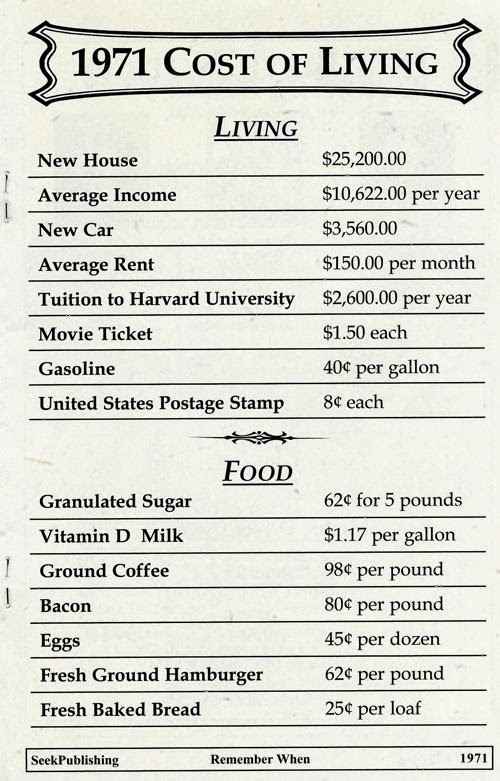
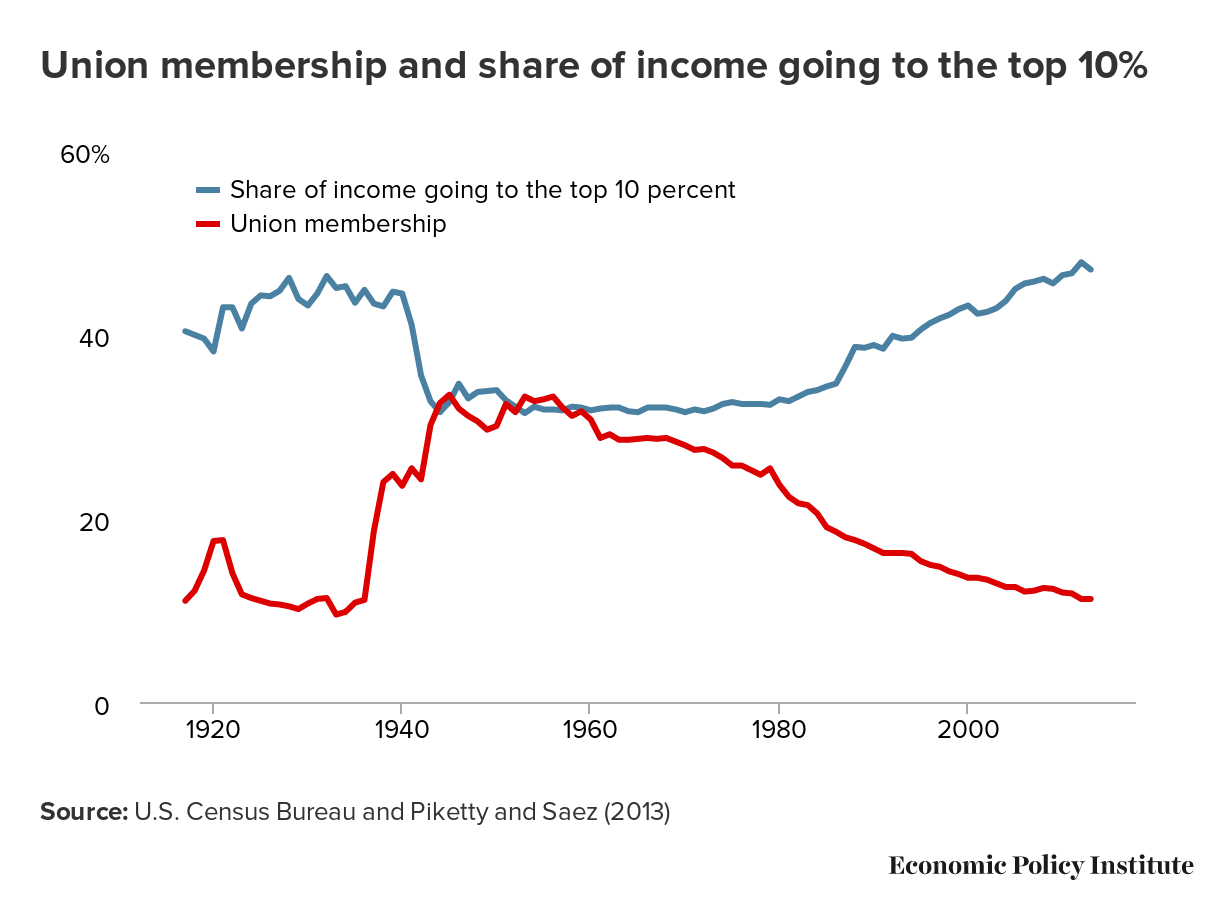
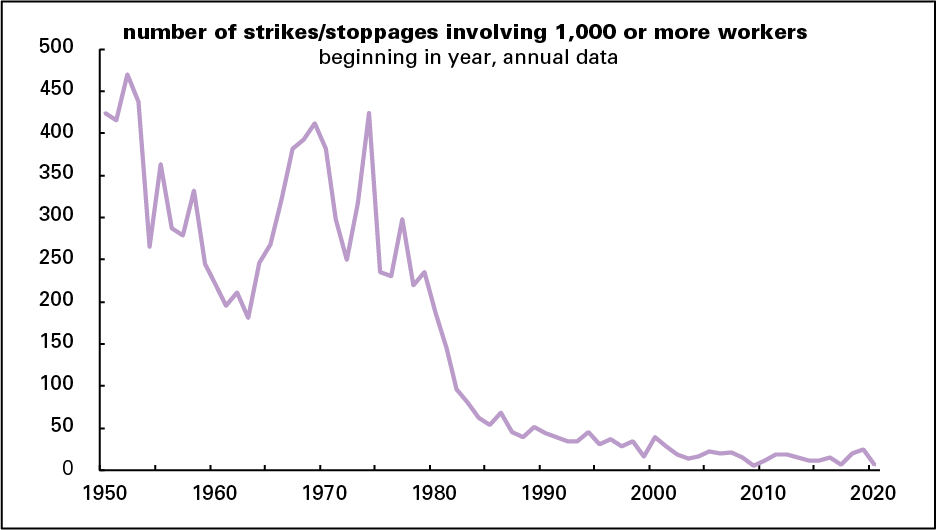
The charts tell a story through diverging lines: productivity versus wages, GDP growth versus worker compensation, asset prices versus median incomes. Around 1971, these lines began pulling apart. What followed was a fundamental restructuring of who benefits from economic activity.
The US middle class was never the default state of capitalism. The term barely appeared in US writing before 1900. The broad prosperity of the postwar era was not a boom - it was a motivated creation: a bulwark against alternative economic systems, a consumer base for mass production, a stabilizing force during the Cold War. Strong unions, high marginal tax rates, regulated finance were not accidents. They were policy choices made by a society that temporarily needed a prosperous working population. The middle class wasn't lost - its utility was deprecated.
What happened beginning in the 1970s was a great regression toward capitalism's default mode: a rentier economy where returns flow to those who own assets rather than those who work.
The numbers are not ambiguous. Between 1979 and 2013, productivity grew 65 percent while hourly compensation grew 8 percent. The top 1 percent's share of household income doubled. Home prices were 3 times median income in 1967; by 2022, a record 6 times. A study calculated that if the bottom 90 percent had maintained their 1975 share of national income, they would have received an additional $79 trillion over fifty years. That money went somewhere.
This is not finance serving the productive economy. This is finance extracting from it.
China produces the growth in economic fundamentals that the US once did, but Chinese growth does not pressure US elites to reinvest in their own population the way Soviet competition once did - US capital is not threatened by this but partners with it.
Several structural shifts ensure no new bargain will be struck. Capital is mobile; workers are not. US elites no longer need US workers - they extract from global production, park wealth in global assets, live anywhere. The national container binding elite fortunes to working-class fortunes has dissolved. Financialization decouples profit from production - when wealth comes from asset appreciation rather than selling goods, you don't need consumers, you need asset inflation.
Concessions were replaced by coercions. The postwar settlement was a bargain struck under threat: organized labor, a viable left, competition with economic rivals. Those threats have been neutralized. Unions are broken. The left extinguished in parody. Governments have hypertrophied not into social provision but into surveillance, policing, and anti-democratic fortification. A study examining decades of US policy data found that average US citizens have "near-zero, statistically non-significant impact upon public policy" - economic elites and business interests command. They write the laws and fund the politicians who pass them. The delegitimized institutions persist to manage a dispossessed population, not to bargain with it.
Culture war spectacles keep the discourse on anything but class: tokenized representation at the top while conditions deteriorate below, endless debates about identity that never touch the economic system.
First-world economies now exhibit characteristics once associated with developing nations: crumbling infrastructure, declining life expectancy and health, unaffordable housing, career stability as a privilege, a vast low-wage service sector, fraud and gambling normalized. Those with assets capture the mechanisms of advancement, while routes into the middle class close off. Each crisis consolidates ownership further. Each recovery benefits asset holders disproportionately.
The middle class was a workaround to a problem. And the problem was solved. So the workaround is being decommissioned.